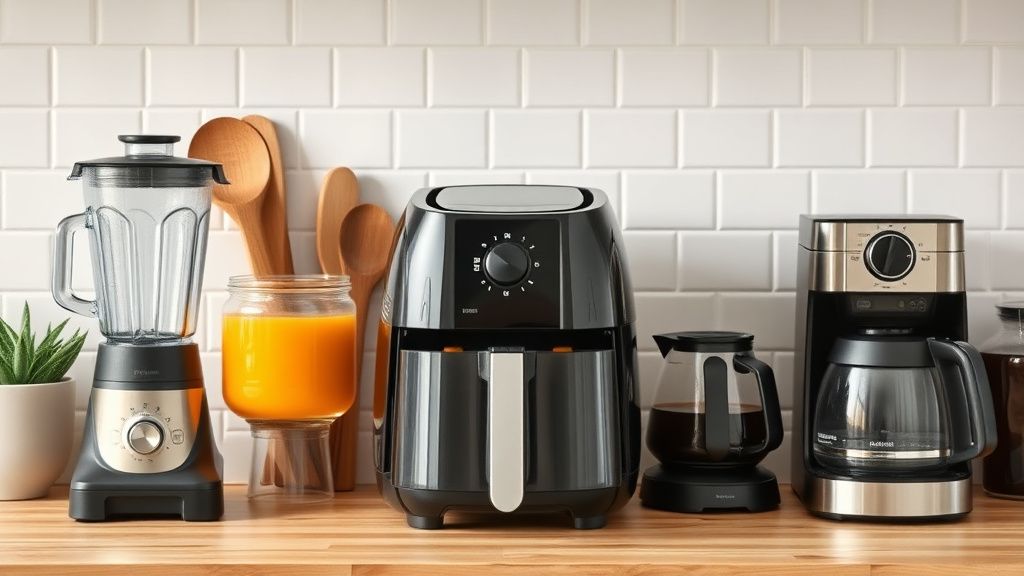
Understanding Blender Horsepower
When shopping for a blender, horsepower (HP) is one of the most critical specifications to consider. Horsepower refers to the motor’s power output, which directly impacts the blender’s performance. A higher horsepower blender can handle tougher ingredients, blend more efficiently, and reduce the risk of overheating. However, horsepower alone doesn’t tell the whole story—design, blade quality, and jar material also play significant roles.
Blenders typically range from 300 watts (0.4 HP) to 1500 watts (2 HP) or more. Here’s a breakdown of what different horsepower levels can handle:
- Low Power (300-600 watts / 0.4-0.8 HP): Suitable for basic tasks like blending smoothies, shakes, and soft ingredients. These blenders are often compact and budget-friendly but may struggle with ice or fibrous foods like kale.
- Mid-Range (700-1000 watts / 0.9-1.3 HP): Ideal for everyday use, including crushing ice, making nut butter, and blending thicker mixtures like soups or frozen desserts. These blenders strike a balance between power and affordability.
- High Power (1200+ watts / 1.6+ HP): Designed for heavy-duty tasks such as grinding grains, milling flour, or processing dense doughs. These blenders are often used in commercial settings or by serious home cooks.
Types of Blenders and Their Horsepower Needs
The type of blender you choose should align with your intended use. Here’s how horsepower factors into different blender categories:
Personal Blenders
Personal blenders are compact and designed for single servings. They typically range from 300 to 600 watts (0.4-0.8 HP). While they’re great for smoothies and shakes, their lower horsepower limits their ability to handle tougher tasks.
Countertop Blenders
Countertop blenders are the most versatile option, with horsepower ranging from 700 to 1500 watts (0.9-2 HP). These blenders can handle everything from ice crushing to making nut butter. Higher-end models often feature variable speed settings and preset programs for added convenience.
Immersion Blenders
Immersion blenders, or hand blenders, are portable and typically range from 200 to 500 watts (0.3-0.7 HP). While they’re not as powerful as countertop blenders, they’re excellent for blending soups, sauces, or batters directly in the pot.
High-Performance Blenders
High-performance blenders, like those from Vitamix or Blendtec, often exceed 1200 watts (1.6 HP). These blenders are built to handle the toughest tasks, including grinding grains and making hot soups through friction heat.
Key Features to Pair with Horsepower
While horsepower is essential, it’s not the only factor to consider. Here are some features to look for:
- Blade Design: Sharp, durable blades are crucial for efficient blending. Stainless steel blades are a standard choice for their longevity and performance.
- Jar Material: Glass jars are durable and don’t retain odors, while plastic jars are lightweight and shatterproof. Tritan plastic is a popular choice for its durability and clarity.
- Speed Settings: Variable speed controls allow you to adjust blending power for different tasks. Preset programs can simplify common tasks like smoothies or ice crushing.
- Motor Cooling: High-powered blenders should have cooling mechanisms to prevent overheating during extended use.
- Ease of Cleaning: Removable blades and dishwasher-safe jars make cleanup easier.
What to Look for When Buying a Blender
- Intended Use: Determine what you’ll primarily use the blender for. If you’re making smoothies occasionally, a mid-range blender may suffice. For heavy-duty tasks, invest in a high-performance model.
- Capacity: Consider the size of the jar. Smaller jars (20-32 oz) are great for personal use, while larger jars (64 oz or more) are better for families or batch blending.
- Noise Level: High-powered blenders can be loud. Look for models with noise-reduction features if this is a concern.
- Warranty: A longer warranty often indicates a more reliable product. High-performance blenders typically come with warranties of 5-10 years.
- Budget: Balance horsepower and features with your budget. While high-powered blenders are more expensive, they often justify their cost with durability and versatility.
Conclusion
Blender horsepower is a key factor in determining performance, but it’s only one piece of the puzzle. By understanding your needs and pairing horsepower with complementary features like blade quality, jar material, and speed settings, you can find the perfect blender for your kitchen. Whether you’re blending smoothies, crushing ice, or tackling heavy-duty tasks, the right blender will make meal prep faster, easier, and more enjoyable.