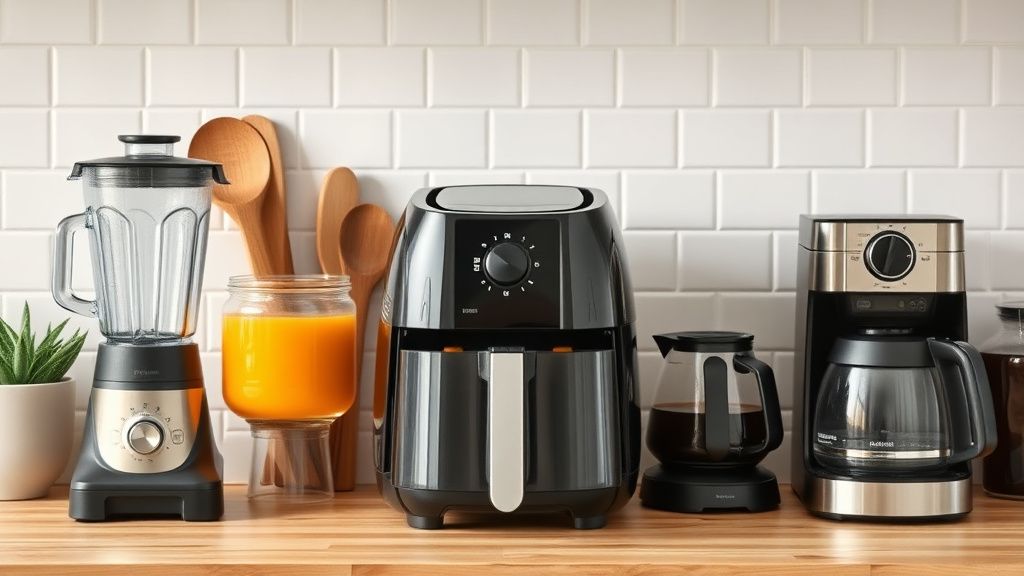
Why Invest in a High-Speed Blender?
High-speed blenders are versatile kitchen appliances designed to handle demanding tasks like crushing ice, blending frozen fruits, and creating smooth purees or soups. Unlike standard blenders, they feature powerful motors and durable blades that can process tough ingredients quickly and efficiently. Whether you’re making smoothies, nut butters, or hot soups, a high-speed blender can save time and deliver consistent results.
Key Features to Consider
Motor Power
The motor is the heart of a high-speed blender. Look for models with motors ranging from 1,000 to 1,500 watts, as these provide enough strength to handle tough ingredients like ice and fibrous vegetables. Higher wattage doesn’t always mean better performance, but it ensures the blender can sustain prolonged use without overheating.
Blade Design
Blade quality is critical for achieving smooth textures. High-speed blenders typically feature stainless steel blades with multi-tiered designs to create a vortex that pulls ingredients downward for efficient blending. Check if the blades are sharp and durable enough to handle frequent use.
Jar Material and Capacity
Blender jars are usually made of glass, Tritan plastic, or stainless steel. Glass jars are heavy and durable but can break if dropped. Tritan plastic is lightweight and shatterproof, while stainless steel is ideal for hot liquids and durability. Jar capacity varies from 32 to 64 ounces, so choose one that suits your household size and typical recipes.
Speed Settings and Presets
High-speed blenders often come with variable speed settings and pre-programmed presets for tasks like smoothies, soups, or ice crushing. Adjustable speeds allow you to control the texture of your blends, while presets simplify the process for beginners.
Noise Level
High-speed blenders can be loud due to their powerful motors. If noise is a concern, look for models with noise reduction technology or insulated designs. While quieter blenders are available, they may sacrifice some power.
Ease of Cleaning
Cleaning a blender should be hassle-free. Many models feature self-cleaning functions or dishwasher-safe parts. Jars with wide openings and smooth interiors are easier to clean manually.
Types of High-Speed Blenders
Personal Blenders
Personal blenders are compact and designed for single servings. They’re ideal for small kitchens or on-the-go use, but they may lack the power and capacity for larger recipes.
Full-Size Blenders
Full-size blenders are the most common type, offering versatility and power for a variety of tasks. They’re suitable for families or frequent use and often come with larger jars and more features.
Immersion Blenders
Immersion blenders, or hand blenders, are portable and great for soups, sauces, and small batches. While they’re not as powerful as countertop models, they’re convenient for quick tasks.
What to Look for in a High-Speed Blender
When shopping for a high-speed blender, prioritize motor power (1,000+ watts), durable blade design, and a jar material suited to your needs. Consider speed settings and presets for versatility, and check the noise level if quiet operation is important. Ensure the blender is easy to clean and has a capacity that matches your typical use. Finally, decide whether a personal, full-size, or immersion blender best fits your lifestyle.
Tips for Getting the Most Out of Your Blender
- Layer Ingredients Properly: Add liquids first, followed by soft ingredients, and then hard or frozen items for smoother blending.
- Avoid Overfilling: Leave space at the top of the jar to allow ingredients to circulate.
- Use the Right Speed: Start at a low speed and gradually increase to avoid splattering or overworking the motor.
- Clean Regularly: Rinse the jar immediately after use to prevent residue buildup.
By understanding the features and types of high-speed blenders, you can choose the best model for your kitchen and elevate your blending experience.