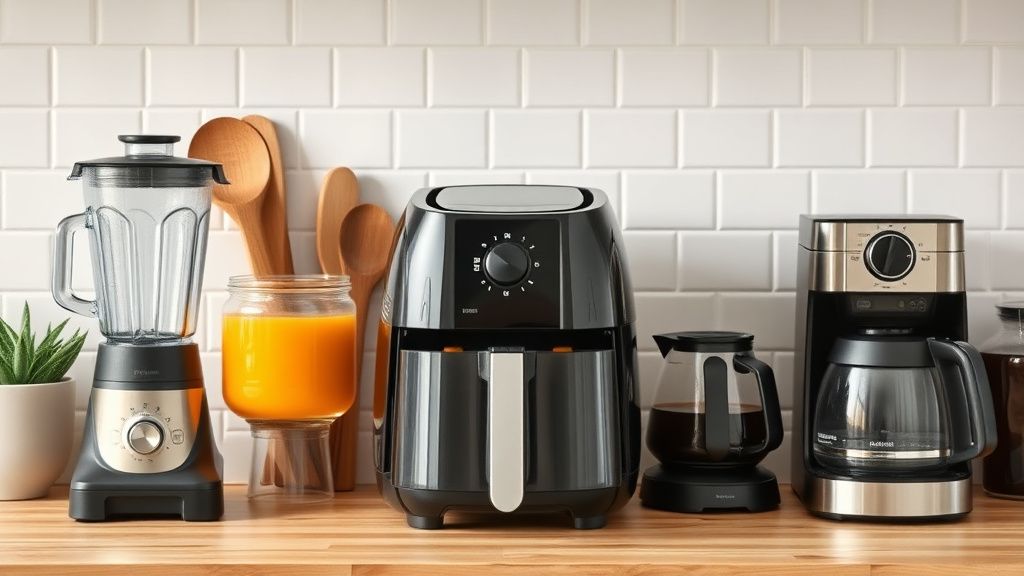
Understanding Watts in Blender Performance
When shopping for a blender, wattage is often highlighted as a key indicator of performance. But what does wattage really mean, and how does it affect blending tasks? Understanding this can help you choose the right blender for your needs, whether you’re making smoothies, crushing ice, or preparing nut butters.
What Are Watts?
Watts measure the power consumption of an appliance, indicating how much energy the blender’s motor uses to operate. In general, higher wattage correlates with stronger motor performance, but it’s not the only factor. Efficiency, blade design, and jar shape also play a role in how well a blender performs.
- Low-wattage blenders (300–600W): Suitable for light tasks like blending soft fruits, making dressings, or mixing liquids. These are often compact personal blenders or budget-friendly full-size models.
- Mid-range blenders (700–1000W): Handle tougher ingredients like frozen fruit, leafy greens, and small amounts of ice. Ideal for daily smoothies and light food processing.
- High-performance blenders (1200W+): Designed for heavy-duty tasks, including crushing ice, grinding nuts, and making nut butters. Often found in professional-grade or premium models.
How Wattage Affects Blending Tasks
1. Smoothies and Soft Ingredients
For basic blending—like smoothies with fresh fruit, yogurt, or leafy greens—a 600–800W blender is sufficient. High wattage isn’t always necessary unless you frequently blend frozen ingredients.
2. Crushing Ice
Ice requires significant power to break down without straining the motor. Blenders with at least 1000W perform best, especially those with hardened stainless steel blades and a sturdy jar design.
3. Nut Butters and Dough
Making nut butters or blending thick mixtures demands high wattage (1200W+) and a strong motor with minimal overheating risk. Look for models with thermal protection to prevent burnout.
4. Hot Soups and Heated Blending
Some high-end blenders (like those with 1500W+) can heat soups through friction alone, but most require a separate heating element. If you want a blender that can cook, check for specific “soup” or “heating” functions.
Other Factors That Impact Performance
While wattage is important, it’s not the sole determinant of blender quality. Consider these features alongside power:
- Motor Type: Brushed motors are common in budget blenders but wear out faster. Brushless motors (often in high-wattage models) are more durable and efficient.
- Blade Design: Sharp, multi-level blades improve blending efficiency, even in lower-wattage models.
- Jar Material: Glass jars retain heat but are heavier. Plastic is lightweight but may scratch over time. Stainless steel is durable but limits visibility.
- Speed Settings: Variable speeds and pulse functions allow better control, especially for delicate tasks.
What to Look for When Choosing a Blender
-
Match wattage to your needs:
- Casual use (smoothies, dressings): 600–800W
- Frequent ice crushing or frozen blends: 1000W+
- Heavy-duty tasks (nut butters, dough): 1200W+
-
Check motor durability: Look for models with thermal protection and a solid warranty (at least 5–7 years for high-end blenders).
-
Prioritize blade and jar quality: Stainless steel blades and BPA-free plastic or glass jars ensure longevity and safety.
-
Consider noise levels: High-wattage blenders can be loud; some models include noise-dampening technology.
-
Evaluate extra features: Pre-programmed settings, self-cleaning modes, and tamper tools can enhance usability.
Conclusion
Wattage is a useful benchmark for blender strength, but it’s only part of the equation. A well-designed 800W blender with sharp blades and a sturdy jar can outperform a poorly built 1200W model. Assess your blending habits, prioritize motor reliability, and choose a model that balances power with practical features. Whether you need a simple smoothie maker or a powerhouse for tough ingredients, understanding watts will help you make an informed decision.