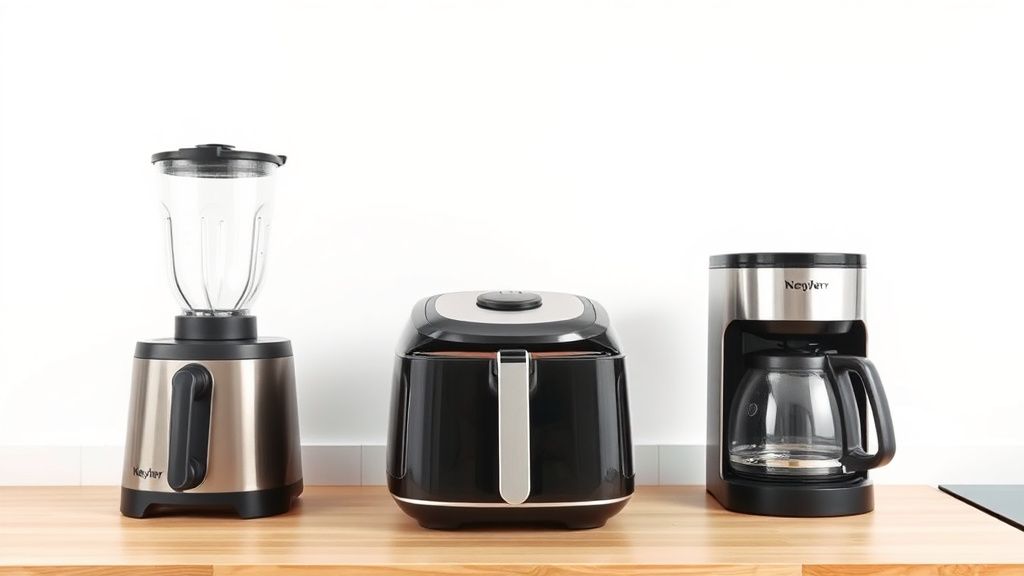
Why Cleaning Your Coffee Grinder Matters
A clean coffee grinder is essential for maintaining the quality and flavor of your coffee. Over time, coffee oils and fine particles accumulate inside the grinder, leading to rancid flavors and inconsistent grind sizes. Whether you use a blade grinder or a burr grinder, regular cleaning ensures your machine operates efficiently and your coffee tastes fresh.
Types of Coffee Grinders and Their Cleaning Needs
Blade Grinders
Blade grinders use a spinning blade to chop coffee beans into smaller pieces. They are affordable but tend to retain more coffee residue due to their design. Cleaning them requires extra attention to the blade and interior crevices.
Burr Grinders
Burr grinders crush beans between two abrasive surfaces (burrs) for a more consistent grind. They come in two types:
- Flat burr grinders – Common in home models, they require disassembly for thorough cleaning.
- Conical burr grinders – Often found in higher-end models, they may have fewer nooks for residue but still need regular maintenance.
Burr grinders are more precise but also more sensitive to buildup, which can affect grind consistency.
Step-by-Step Guide to Cleaning Your Coffee Grinder
1. Unplug and Disassemble
Always unplug your grinder before cleaning. Remove the hopper (where beans are stored), the grinding chamber, and any removable burrs or blades. Check your manual for specific disassembly instructions.
2. Brush Away Loose Grounds
Use a small, stiff brush (like a pastry brush or a dedicated grinder brush) to sweep out loose coffee grounds from all accessible parts. A toothbrush can work for tight spaces.
3. Clean the Burrs or Blade
- For blade grinders: Wipe the blade carefully with a damp cloth (avoid submerging the motor base). A soft brush can remove stuck-on residue.
- For burr grinders: Remove the burrs (if possible) and brush away coffee oils and particles. Some models have self-cleaning mechanisms—consult your manual.
4. Use Grinder Cleaning Tablets or Rice
For deep cleaning:
- Grinder cleaning tablets (like Urnex Grindz) are designed to absorb oils and remove residue. Run a small amount through the grinder as directed.
- Uncooked white rice (a budget-friendly alternative) can help scrub away oils. Grind a handful, then discard the powdery residue.
5. Wipe Down Exterior and Reassemble
Use a damp cloth to clean the exterior, then dry thoroughly. Reassemble all parts, ensuring everything is securely in place before use.
How Often Should You Clean Your Coffee Grinder?
- Weekly: Brush out loose grounds.
- Monthly: Deep clean with tablets or rice.
- Every 6 months: Disassemble and inspect burrs for wear or buildup.
If you switch between different coffee types (e.g., dark roast to light roast), clean the grinder to avoid flavor transfer.
What to Look for in a Coffee Grinder for Easy Cleaning
When shopping for a coffee grinder, consider these features for easier maintenance:
- Removable burrs or blades – Makes deep cleaning simpler.
- Fewer crevices – Look for designs that minimize residue traps.
- Dishwasher-safe parts – Some hoppers and grind chambers are dishwasher-safe (check the manual).
- Accessory brushes included – Some models come with cleaning tools.
Final Tips for Maintaining Your Grinder
- Avoid using water or soap on internal grinding components unless specified by the manufacturer.
- Store your grinder in a dry place to prevent moisture buildup.
- If your grinder starts producing inconsistent grinds or strange odors, it’s time for a thorough clean.
By keeping your coffee grinder clean, you’ll enjoy better-tasting coffee and extend the life of your appliance. A little maintenance goes a long way in preserving flavor and performance.