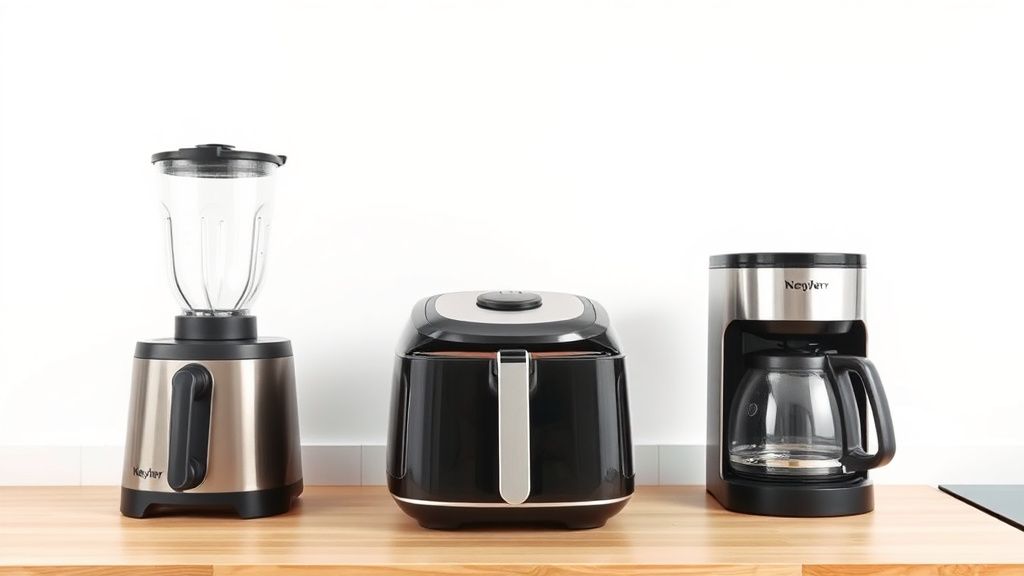
How to Make Delicious Soups in Your Blender: Hot and Cold Recipes
Blenders are one of the most versatile countertop appliances, capable of transforming simple ingredients into creamy, flavorful soups with minimal effort. Whether you prefer a steaming bowl of tomato bisque or a refreshing chilled gazpacho, your blender can handle it all. Below, we’ll explore techniques for both hot and cold soups, along with key blender features to consider for the best results.
Hot Blender Soups: Creamy and Comforting
Blenders excel at creating silky-smooth hot soups without the need for a stovetop pot. Here’s how to make them:
1. Roasted Tomato and Basil Soup
Ingredients:
- 4 large tomatoes, halved
- 1 onion, quartered
- 3 garlic cloves
- 2 tbsp olive oil
- 1 cup vegetable broth
- ½ cup fresh basil
- Salt and pepper to taste
Method:
- Roast tomatoes, onion, and garlic at 400°F (200°C) for 25 minutes until caramelized.
- Transfer to a high-powered blender (like a Vitamix or Blendtec) with broth and basil.
- Blend on high for 2-3 minutes until smooth.
- Pour into a saucepan to heat through, or use a blender with a “soup” function for direct heating.
Why It Works: High-speed blenders break down fibrous vegetables effortlessly, creating a velvety texture. If your blender has a heating element (like some Ninja models), you can skip the stovetop entirely.
2. Butternut Squash Soup
Ingredients:
- 1 small butternut squash, peeled and cubed
- 1 carrot, chopped
- 1 apple, cored
- 1 tsp curry powder
- 2 cups vegetable broth
Method:
- Steam or roast squash, carrot, and apple until tender.
- Blend with broth and curry powder until smooth.
- Reheat if needed, or use a blender with a warming cycle.
Tip: Immersion blenders can also work but may leave a chunkier texture compared to countertop models.
Cold Blender Soups: Refreshing and No-Cook
Cold soups are perfect for warm days and require no cooking—just fresh ingredients and a powerful blender.
1. Classic Gazpacho
Ingredients:
- 4 ripe tomatoes
- 1 cucumber, peeled
- 1 red bell pepper
- ¼ cup olive oil
- 2 tbsp red wine vinegar
- 1 slice of stale bread (for thickness)
Method:
- Roughly chop vegetables and add to the blender with remaining ingredients.
- Pulse until chunky or blend until smooth, depending on preference.
Why It Works: A blender with variable speeds (like the Breville Fresh & Furious) lets you control texture. For ultra-smooth results, strain through a sieve.
2. Chilled Avocado Soup
Ingredients:
- 2 ripe avocados
- 1 cup Greek yogurt
- 1 cup cold water or coconut milk
- Juice of 1 lime
- Handful of cilantro
- Salt to taste
Method:
- Blend all ingredients until creamy.
- Chill for 1 hour before serving.
Tip: A personal blender (like the NutriBullet) works well for single servings.
What to Look for in a Blender for Soups
Not all blenders are equally suited for soup-making. Here’s what matters:
- Power: At least 1000 watts for smooth blending, especially for fibrous veggies.
- Jar Material: Glass jars resist staining from tomato-based soups; plastic is lighter but may retain odors.
- Heating Function: Some high-end blenders (like certain Vitamix models) can heat soups as they blend.
- Lid Design: A vented lid prevents steam buildup when blending hot ingredients.
- Speed Settings: Variable speeds help achieve the perfect texture, from chunky to silky.
For cold soups, any decent blender will work, but for hot soups, prioritize power and safety features.
Final Tips
- Precook Hard Vegetables: Root veggies like carrots or potatoes blend better when softened.
- Adjust Consistency: Add broth or water gradually to avoid over-thinning.
- Garnish Creatively: A swirl of cream, herbs, or croutons elevates presentation.
With the right blender and these recipes, you can enjoy restaurant-quality soups at home—hot or cold, all year round.