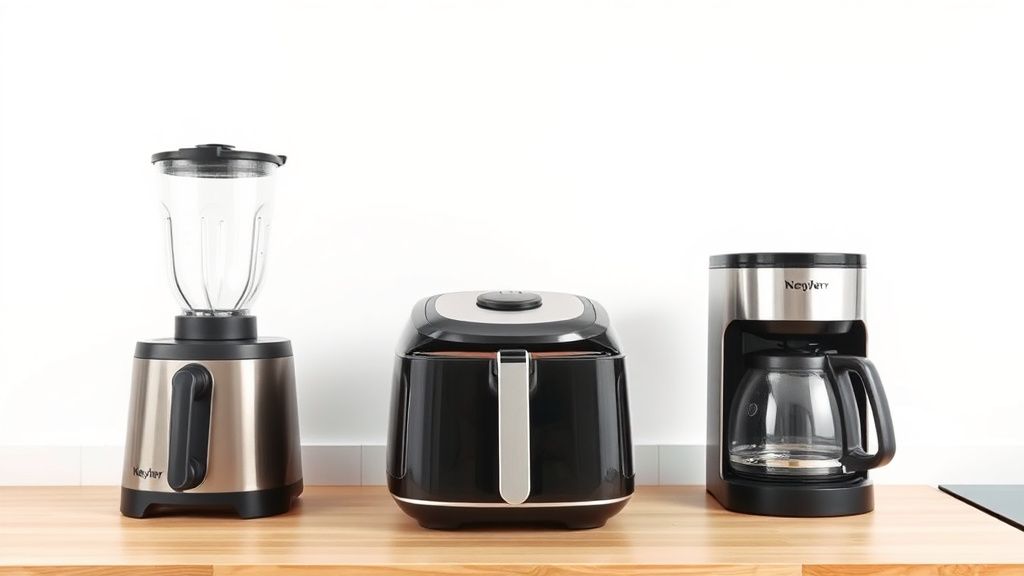
Why Make Homemade Baby Food?
Making homemade baby food is a fantastic way to ensure your little one gets fresh, nutritious meals without preservatives or added sugars. It’s also cost-effective and allows you to introduce a variety of flavors and textures as your baby grows. Using a blender simplifies the process, turning whole fruits, vegetables, and grains into smooth, easy-to-eat purees. Plus, it’s a great way to repurpose leftovers or seasonal produce.
Choosing the Right Blender for Baby Food
Not all blenders are created equal when it comes to making baby food. Here’s what to look for:
- Power: A blender with at least 500 watts is ideal for processing tough ingredients like raw carrots or sweet potatoes. High-powered blenders (800 watts or more) can handle even the most challenging tasks with ease.
- Capacity: If you’re making large batches to freeze, a blender with a 64-ounce pitcher is a good choice. For smaller portions, a personal blender with a 16-ounce jar might be more practical.
- Speed Settings: Multiple speed settings allow you to control the texture of the puree, from chunky to ultra-smooth.
- Ease of Cleaning: Look for blenders with dishwasher-safe parts or self-cleaning functions to save time.
Countertop blenders, immersion blenders, and personal blenders are all viable options, depending on your needs. Countertop blenders are the most versatile, while immersion blenders are great for small batches and on-the-go preparation.
Preparing Ingredients for Baby Food
Before blending, it’s essential to prepare your ingredients properly. Here’s how:
- Wash Thoroughly: Rinse fruits, vegetables, and grains under cold water to remove dirt and pesticides.
- Peel and Chop: Remove skins, seeds, and pits, and chop ingredients into small pieces for easier blending.
- Cook if Necessary: Some ingredients, like carrots, apples, and peas, should be steamed or boiled until soft to ensure a smooth texture. Others, like bananas and avocados, can be blended raw.
Blending Techniques for Perfect Baby Food
Once your ingredients are prepped, it’s time to blend. Follow these steps for the best results:
- Add Liquid: Start by adding a small amount of water, breast milk, or formula to the blender. This helps create a smooth consistency and prevents the blender from straining.
- Blend in Batches: Avoid overloading the blender. Process small batches to ensure even blending.
- Adjust Texture: Use the blender’s speed settings to achieve the desired consistency. Start on low and gradually increase to high for a smoother puree.
- Test and Adjust: Check the texture and add more liquid if needed. Blend again until it’s just right for your baby’s stage of development.
Storing Homemade Baby Food
Proper storage is key to maintaining freshness and safety. Here’s how to store your homemade baby food:
- Refrigerator: Store purees in airtight containers for up to 3 days.
- Freezer: Pour purees into ice cube trays and freeze. Once solid, transfer the cubes to freezer-safe bags or containers for up to 3 months. Label with the date and type of food.
- Reheating: Thaw frozen cubes in the refrigerator overnight or defrost them in a bowl of warm water. Always test the temperature before serving.
Recipe Ideas for Homemade Baby Food
Here are a few simple recipes to get you started:
1. Sweet Potato Puree
- Steam peeled and chopped sweet potatoes until tender.
- Blend with a small amount of water or breast milk until smooth.
2. Apple and Pear Puree
- Peel, core, and chop apples and pears.
- Steam until soft, then blend with a splash of water.
3. Avocado and Banana Mash
- Blend ripe avocado and banana until creamy. No cooking required!
4. Pea and Spinach Puree
- Steam fresh or frozen peas and spinach.
- Blend with a bit of water or formula until smooth.
What to Look for in a Blender for Baby Food
When shopping for a blender specifically for baby food, consider the following features:
- High-Power Motor: Ensures smooth purees without lumps.
- Variable Speed Settings: Allows customization of texture.
- BPA-Free Materials: Safe for preparing baby food.
- Compact Design: Useful for small kitchens or frequent use.
- Easy-to-Clean Parts: Saves time and effort.
Blenders with these features make the process quick, efficient, and safe, ensuring your baby gets the best start possible.
Tips for Success
- Introduce One Ingredient at a Time: This helps identify any potential allergies.
- Experiment with Combinations: Once your baby has tried individual ingredients, mix flavors for variety.
- Stay Consistent: Stick to fresh, whole ingredients and avoid adding salt, sugar, or spices.
- Clean Thoroughly: Always clean your blender and utensils after each use to prevent contamination.
Making homemade baby food with your blender is a rewarding experience that benefits both you and your baby. With the right equipment and techniques, you can create nutritious, delicious meals that support your little one’s growth and development.