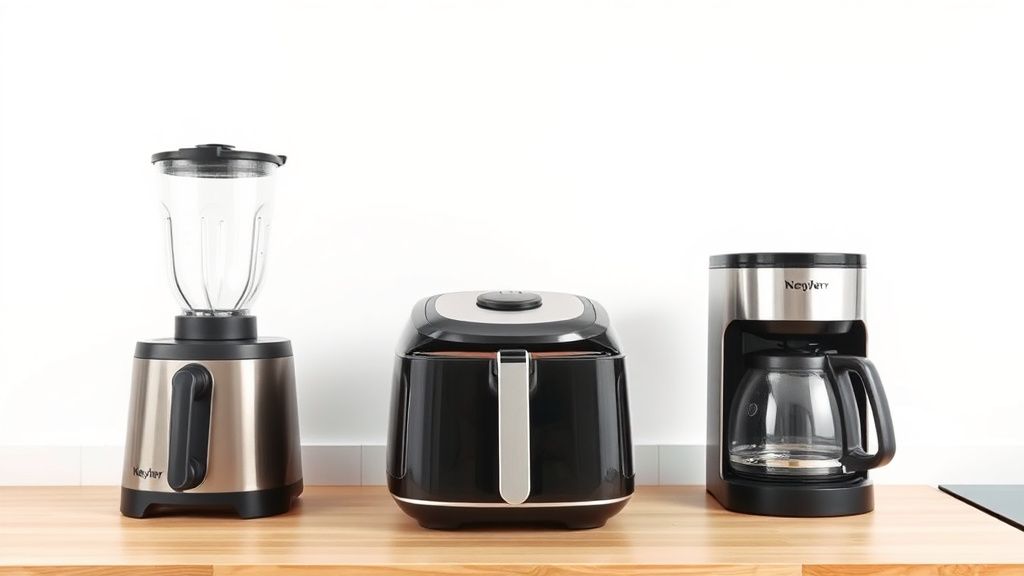
How to Use a Juicer: Tips for Maximizing Yield and Flavor
Juicing is a fantastic way to pack more fruits and vegetables into your diet while enjoying fresh, vibrant flavors. Whether you’re using a centrifugal, masticating, or citrus juicer, proper technique can make a big difference in yield, taste, and even cleanup. Here’s how to get the most out of your juicer.
Types of Juicers and Their Best Uses
Before diving into techniques, it’s helpful to understand the three main types of juicers:
- Centrifugal Juicers – These high-speed machines use a spinning basket to extract juice quickly. They work well with hard produce like apples, carrots, and beets but may struggle with leafy greens. Best for fast, large batches.
- Masticating (Slow) Juicers – These grind and press produce at low speeds, yielding more juice (especially from greens like kale or wheatgrass) and preserving nutrients better. Ideal for health-focused juicing but slower.
- Citrus Juicers – Designed specifically for oranges, lemons, limes, and grapefruits, these are simple to use and highly efficient for citrus fruits only.
Preparing Your Produce
Proper prep ensures smoother juicing and better results:
- Wash Thoroughly – Even organic produce should be rinsed to remove dirt and pesticides.
- Peel When Necessary – Remove thick or bitter peels (like pineapple or citrus if not using a citrus juicer). Leave thin, edible peels (like apples or cucumbers) for extra nutrients.
- Cut to Size – Most juicers handle small chunks better than whole produce. For centrifugal models, cut hard veggies into pieces that fit the feed chute.
- Remove Large Pits/Seeds – Stone fruits (like peaches) and large seeds (like those in mangos) can damage blades.
Juicing Techniques for Maximum Yield
1. Alternate Soft and Hard Ingredients
If juicing leafy greens (spinach, kale), sandwich them between harder items like apples or carrots. This helps push the greens through more effectively.
2. Juice Leafy Greens First
For masticating juicers, process greens before juicing watery fruits (like oranges) to prevent clogging.
3. Don’t Overload the Feed Chute
Pushing too much produce at once can strain the motor or reduce extraction efficiency. Feed pieces in steadily.
4. Use the Pulp Wisely
Check the pulp after juicing—if it’s still wet, run it through again for extra yield (especially with masticating juicers). Otherwise, repurpose it in soups, muffins, or compost.
Cleaning and Maintenance
A clean juicer lasts longer and performs better:
- Rinse Immediately – Pulp dries quickly and becomes harder to remove.
- Disassemble Fully – Most models have removable parts (strainers, blades, pulp containers) that need individual cleaning.
- Use a Brush for Strainers – A small brush helps clear pulp from mesh screens in masticating or centrifugal juicers.
- Check for Wear – Over time, blades dull or seals loosen, reducing efficiency. Replace parts as needed.
What to Look for in a Juicer
If you’re shopping for a juicer, consider these features:
- Feed Chute Size – Wider chutes (3+ inches) reduce prep time by fitting whole fruits or large pieces.
- Pulp Ejection – Models with external pulp containers minimize mid-juicing interruptions.
- Motor Power – Centrifugal juicers need at least 700W for hard produce; masticating juicers work well at 150–400W due to slow speed.
- Noise Level – Centrifugal juicers are louder; masticating models are quieter, making them better for early mornings.
- Ease of Cleaning – Dishwasher-safe parts or fewer components simplify cleanup.
Final Tips for Better Juicing
- Drink Fresh – Juice oxidizes quickly; consume within 15–30 minutes for peak flavor and nutrients.
- Mix Flavors Thoughtfully – Balance sweet (apples, carrots) with tart (lemons, ginger) or earthy (beets, greens).
- Chill Ingredients – Cold produce yields slightly more juice and tastes more refreshing.
With these tips, you’ll get the most out of every batch—whether you’re making a morning green juice or a vibrant fruit blend. Happy juicing!