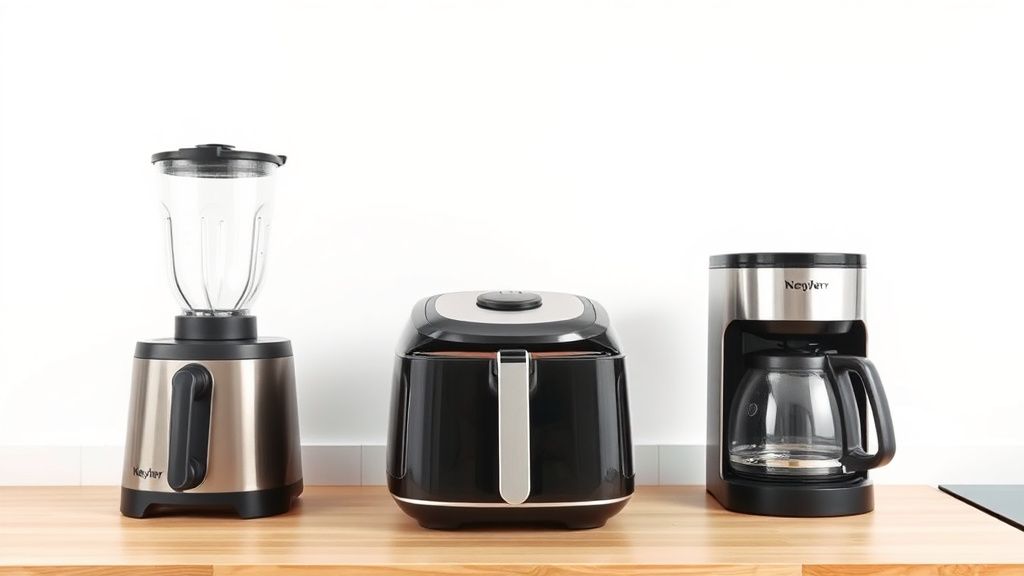
Introduction to Air Fryers
Air fryers have become a staple in modern kitchens, offering a healthier alternative to traditional frying methods. These countertop appliances use hot air circulation to cook food, resulting in crispy textures without the need for excessive oil. Whether you’re a novice cook or a seasoned chef, understanding how to use an air fryer can open up a world of culinary possibilities.
Types of Air Fryers
Before diving into cooking, it’s essential to know the different types of air fryers available:
-
Basket-Style Air Fryers: These are the most common and compact models. They feature a pull-out basket where you place your food. Ideal for small kitchens and quick meals.
-
Oven-Style Air Fryers: These resemble mini ovens and often come with multiple racks, allowing you to cook larger quantities or different foods simultaneously. They may also include additional functions like baking and roasting.
-
Combination Air Fryers: These versatile models combine air frying with other cooking methods such as pressure cooking, slow cooking, or steaming. They are perfect for those who want a multi-functional appliance.
Getting Started with Your Air Fryer
1. Read the Manual
Every air fryer model is unique, so start by reading the user manual. This will provide specific instructions on how to operate your appliance, including safety tips and cleaning recommendations.
2. Preheat the Air Fryer
Most air fryers require preheating to ensure even cooking. Set the desired temperature and allow the appliance to heat up for 3-5 minutes before adding your food.
3. Prepare Your Food
While air fryers require less oil than traditional frying, a light coating can enhance crispiness. Use a spray bottle to evenly distribute oil or toss food in a small amount of oil before placing it in the basket. Avoid overcrowding the basket to ensure proper air circulation.
4. Set the Time and Temperature
Refer to your recipe or the manual for recommended cooking times and temperatures. Most air fryers have adjustable controls, allowing you to customize settings based on the dish you’re preparing.
5. Shake or Flip Midway
For even cooking, shake the basket or flip the food halfway through the cooking process. This is especially important for items like fries, nuggets, or vegetables.
6. Monitor Cooking
Keep an eye on your food, especially during the first few uses, to prevent overcooking. Some air fryers come with a viewing window or pause function for easy monitoring.
7. Serve and Enjoy
Once cooking is complete, carefully remove the basket and let the food cool slightly before serving. Use tongs or a spatula to avoid burns.
Popular Air Fryer Recipes
1. Crispy Air Fryer Fries
Cut potatoes into thin strips, toss with a bit of oil, and cook at 400°F for 15-20 minutes, shaking halfway through. Season with salt and serve immediately.
2. Juicy Air Fryer Chicken Wings
Toss wings in your favorite seasoning or sauce, then cook at 380°F for 25-30 minutes, flipping halfway. For extra crispiness, finish at 400°F for 5 minutes.
3. Air Fryer Vegetables
Chop your favorite vegetables (like broccoli, carrots, or zucchini), toss with oil and seasonings, and cook at 375°F for 10-15 minutes, shaking halfway.
4. Air Fryer Salmon
Season salmon fillets with salt, pepper, and herbs. Place them skin-side down in the basket and cook at 400°F for 10-12 minutes for perfectly flaky fish.
5. Air Fryer Desserts
Try air frying cookies, brownies, or even mini donuts. Adjust the temperature and time based on your dessert recipe for delicious results.
What to Look for When Buying an Air Fryer
When shopping for an air fryer, consider the following features to find the right model for your needs:
- Capacity: Choose a size that suits your household. Basket-style fryers typically range from 2-6 quarts, while oven-style models can be larger.
- Controls: Look for intuitive controls, including digital displays, pre-set programs, and adjustable temperature and time settings.
- Ease of Cleaning: Removable, non-stick baskets and dishwasher-safe parts make cleaning hassle-free.
- Additional Functions: Combination air fryers offer versatility but may require more counter space.
- Safety Features: Overheat protection and cool-touch exteriors are essential for safe operation.
- Price: Air fryers vary in price, so determine your budget and prioritize features that matter most to you.
Tips for Maintaining Your Air Fryer
- Clean After Each Use: Wipe down the interior and exterior with a damp cloth and wash removable parts with warm, soapy water.
- Remove Food Residue: Scrape off any stuck-on food to prevent smoking or burning during future use.
- Check for Wear and Tear: Regularly inspect the basket, heating element, and cord for damage.
- Store Properly: Keep your air fryer in a dry, cool place when not in use to prolong its lifespan.
Conclusion
Mastering the art of air frying is easier than you might think. With a bit of practice and the right techniques, you can create delicious, healthier meals with minimal effort. Whether you’re whipping up crispy fries, succulent chicken wings, or even desserts, your air fryer will quickly become a go-to appliance in your kitchen. Happy cooking!