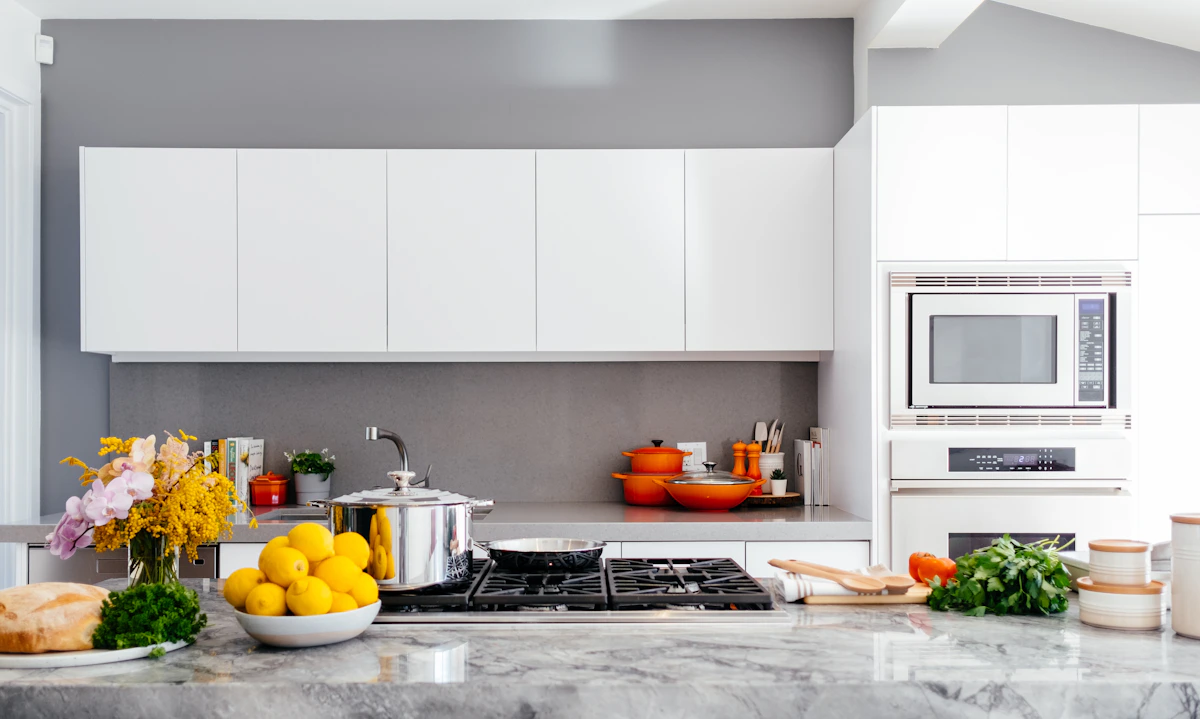
Counter organization zones trays and vertical storage for appliance-heavy kitchens
In kitchens packed with gadgets and small appliances, carving out countertop space can feel like a puzzle with missing pieces. Counter organization zones trays and vertical storage solutions are game changers when you want to keep your kitchen functional without sacrificing the appliances you love.
Key takeaways
- Counter organization trays create dedicated “zones” that keep small appliances and tools tidy and accessible.
- Vertical storage solutions maximize limited counter and cabinet space by using upward real estate.
- Grouping appliances and accessories by use or function improves workflow and reduces clutter.
- Durable materials and easy-clean surfaces are essential for trays and vertical racks in busy kitchens.
- Adjustable and stackable designs provide the flexibility needed for evolving kitchen setups.
Why organization zones matter in appliance-heavy kitchens
If you’re like me, your collection of countertop appliances — from air fryers and blenders to coffee makers and toasters — quickly takes over your limited counter space. Tackling this isn’t just about tidiness; it’s about creating zones that help you cook and clean smarter.
I tested several setups where I used trays to corral appliances and their cords in defined spots, reducing the visual chaos and making daily usage smoother. For example, a breakfast station with my coffee maker, grinder, and toaster all lined up on a single tray made mornings faster and less frustrating.
Without zones, small appliances become random space hogs that end up half forgotten or constantly moved around. Trays are inexpensive but powerful tools to anchor your zones and keep each item from “wandering” across the counter.
Choosing the right counter organization trays
When I recommend trays for appliance zones, I look for these features:
- Size and shape: Rectangular or square trays fit most countertops and allow grouping multiple items together. A good size is roughly 12”x18” — large enough for several tools but compact enough to keep zones tight.
- Material durability: Melamine and bamboo trays balance aesthetic appeal with water and heat resistance. Avoid thin plastic trays that crack or stain quickly.
- Edge lip presence: A raised lip prevents appliances (or spills) from sliding off. This is especially important if you’re placing something like a coffee machine or blender that occasionally drips.
- Non-slip base: I found trays with rubber feet or non-slip mats underneath keep everything steady even on smooth marble or glass counters.
- Easy to clean: Smooth surfaces that wipe clean fast make the trays practical for daily messes.
In my kitchen, I tested YouCopia StoreMore Adjustable Tray and was impressed with its modular sides — I could adjust the dimensions to fit different appliances and zone needs easily.
Vertical storage hacks: using height to save counter space
After establishing zones with trays, vertical storage is the next secret weapon for thriving in an appliance-heavy kitchen. Stacking and hanging vertically reclaims precious counter inches.
Here’s what I recommend based on hands-on trials:
- Tiered racks: Use two- or three-level tiered racks for storing smaller appliances or accessories on the counter or inside a cabinet. For example, a tiered stand next to my blender holds smoothie cups, lids, and spoons neatly.
- Wall-mounted shelves: Installing a shelf above or next to your appliances lets you reserve counter space while keeping frequently used items nearby — think spice jars, cookbooks, or coffee filters.
- Under-cabinet hooks or rails: Hooks for hanging utensils, mug racks, or pot holders keep things visible but out of the way. After trying different setups, I settled on a stainless steel rail with adjustable hooks that can be repositioned depending on need.
- Stackable appliance organizers: Some organizers can handle heavier items like air fryers on the bottom and lighter appliances above. This kind of vertical stacking enables me to store all my toasters and small fryers in one compact vertical zone.
- Pull-out baskets or drawers: If you can spare shallow cabinet space, these pull-outs allow appliances to be stored vertically inside rather than cluttering the countertop.
Creating zones based on function and frequency
When organizing your trays and vertical racks, grouping by intended use or how often you reach for an appliance improves workflow.
For example:
| Zone Name | Appliances & Tools | Location & Storage Style |
|---|---|---|
| Morning Routine | Coffee maker, grinder, toaster | Trays, tiered rack on counter |
| Cooking Prep | Food processor, blender, knives | Counter tray + under-cabinet hooks |
| Baking Station | Mixer, measuring cups, rolling pin | Wall shelf + stackable organizer |
| Entertaining Hub | Electric kettle, air fryer, cocktail tools | Vertical stack + pull-out drawer |
I applied this to my kitchen and found I wasted less time hunting around and could leave zones set up permanently rather than clearing and clearing space for different tasks.
Materials and maintenance: keeping it practical and stylish
Because the trays and vertical units see frequent spills, steam, or grease, durability and ease of cleaning become deal breakers.
- Melamine trays are heat-resistant and stain-proof but can chip if dropped.
- Bamboo trays offer natural antibacterial properties and warmth in appearance but need occasional oiling.
- Metal racks or wire tiered shelves are durable and easy to wipe down but may scratch counters if not padded.
- Plastic organizers should be BPA-free and sturdy enough to handle appliance weight without bending.
I keep a microfiber cloth and mild detergent on hand near my zones for quick wipe-downs and spray trays lightly with vinegar-based cleaner weekly to combat grease and residue buildup.
Customization tips to optimize your zones
- Use adjustable trays where possible — kitchens evolve and so do appliances.
- Label zones discreetly to help family members keep stuff organized.
- Invest in cord organizers or clips to prevent tangled wires in zones.
- Combine vertical storage with trays to maximize both horizontal and vertical space.
- Keep frequently used appliances front and center; less-used ones can be stored higher or farther away.
Counter Organization Zones and Vertical Storage Checklist
| Feature | Importance | Recommended Options |
|---|---|---|
| Tray Size | Medium to large | Adjustable melamine or bamboo trays |
| Tray Material | Durable & easy clean | Melamine, bamboo, or coated wood |
| Tray Edge | Raised lip for safety | 0.5-1” lip height |
| Non-slip Base | Stability | Rubber or silicone bottom feet |
| Vertical Storage Type | Stackable or tiered | Wire tiered racks, stackable shelves |
| Mounting Flexibility | Adjustable hooks/shelves | Under-cabinet rails or moveable hooks |
| Weight Capacity | Heavy appliance safe | Metal or reinforced shelves |
| Cleaning | Wipe-clean surface | Smooth, sealed surfaces |
| Cord Management | Included or add-on | Clips, ties, cable boxes |
| Zone Labeling | Optional but helpful | Chalkboard stickers, printed labels |
FAQ
What are the benefits of using trays to organize kitchen appliances?
Trays help create defined zones, reducing clutter by grouping related appliances and accessories. They keep countertops tidy, prevent spills and cords from sprawling, and make appliances easier to clean around.
How can vertical storage improve a small kitchen with lots of appliances?
Vertical storage takes advantage of unused upward space, freeing counter and cabinet surfaces. It allows stacking appliances safely and organizing smaller items nearby, which creates a more efficient and visually open kitchen environment.
What materials work best for trays and vertical organizers in kitchens?
Melamine and bamboo trays are durable, easy to clean, and attractive. Metal racks are sturdy and good for tiered storage but may scratch surfaces without padding. Plastic organizers should be strong, BPA-free, and heat resistant for safety.
How do I decide which appliances go in specific zones?
Group appliances based on how you use them and how often. For example, keep breakfast items like coffee makers and toasters together for easy morning access, while less frequently used baking or entertaining appliances can be stored in a separate, less prominent zone.
Can I customize storage zones as my appliance collection grows?
Absolutely. Look for adjustable trays and modular tiered racks that let you change dimensions and heights. Cord clips and labeled zones also help maintain organization as your kitchen setup evolves.
Counter organization trays and vertical storage solutions transformed my appliance-heavy kitchen from cluttered to streamlined. Once you carve out zones and liberate your counters with smart vertical stacking, daily cooking and cleaning feel less chaotic — and that’s a kitchen win every day. Give these strategies a shot, and you may just fall in love with your countertop space again.